
March 2026 Human Rights Newsletter: Statement on abuse of Palestinian women to the United Nations, promoting academic freedom, and more
- Human Rights Newsletter: March 2026 -
In this edition:
UNHR condemns abuse of Palestinian women in Israeli detention at the United Nations Committee on the Status of Women
Coming soon: the ACTS student representative initiative
First ACTS in Portugal cohort lands in Lisbon
UNHR files an amicus brief challenging sanctions against UN Special Rapporteur Francesca Albanese
UNHR supports petition for IACHR visit to assess Indigenous rights in Panama
International mechanisms engaged on the enduring issue of justice for displaced Artsakh Armenians
Jim Cavallaro discusses academic freedom at the European University Institute
New journal article: The Inter-American Commission on Human Rights: Past, Present, and Future
UNHR in the news
Donate
UNHR condemns abuse of Palestinian women in Israeli detention at the United Nations Committee on the Status of Women
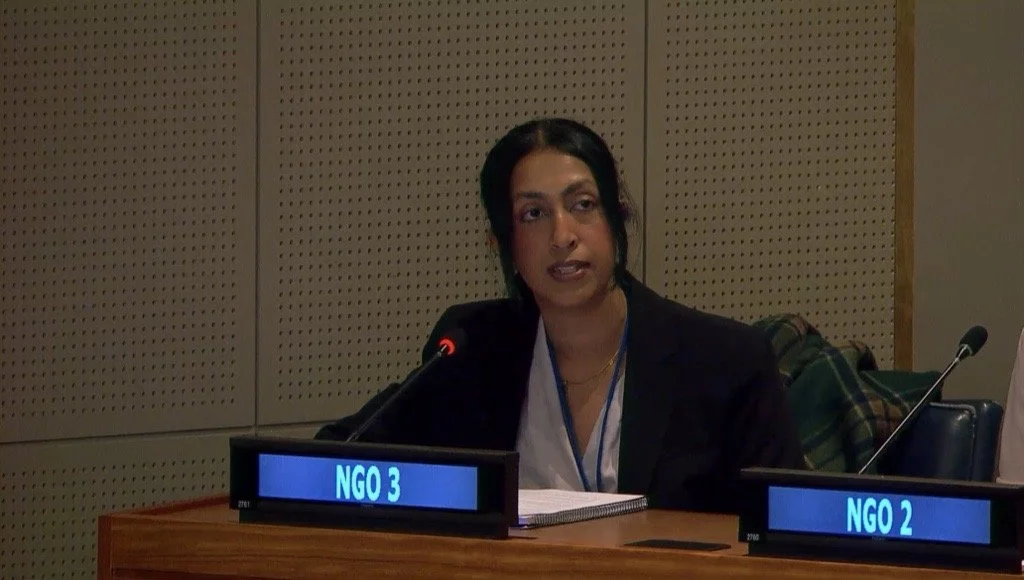
On Tuesday March 17, UNHR Legal Fellow Pallavi Adapa delivered a statement at the 70th Annual Commission on the Status of Women about the systematic abuse of Palestinian women in Israeli custody.
Hundreds of hours of digital evidence and and numerous first-hand testimonies reviewed by the University Network show a pervasive pattern of torture and sexual abuse against Palestinian women detained in Israel. The widespread and systematic nature of these abuses constitutes a de facto state policy and forms part of the actus reus of genocide, as noted by the UN Committee Against Torture in its November 2025 review of Israel.
Yet these violations persist in a context of total impunity. Of approximately 1,400 complaints of torture filed with the Israeli Ministry of Justice over the past two decades, only three have resulted in formal criminal investigations. At the same time, Israel has repeatedly denied the International Committee of the Red Cross access to Palestinian detainees.
UNHR urges the Commission to condemn Israel’s continued use of torture, demand independent investigations, ensure access for international monitors, establish gender-sensitive safeguards, and guarantee reparations from and accountability for all perpetrators.
Learn more about our work on Palestine.
Coming soon: the ACTS student representative initiative
The University Network for Human Rights is launching a new initiative to connect students on U.S. college campuses with the ACTS program in Portugal. We are looking for students to serve as ambassadors on their campuses. In this role, they will share information about ACTS with their peers, organize outreach events, and connect interested students to the University Network. This is a paid position, and ambassadors will also have opportunities to network with human rights practitioners and experts.
Interested in being a student ambassador or know someone who is? Fill out the registration form here.
First ACTS in Portugal cohort lands in Lisbon
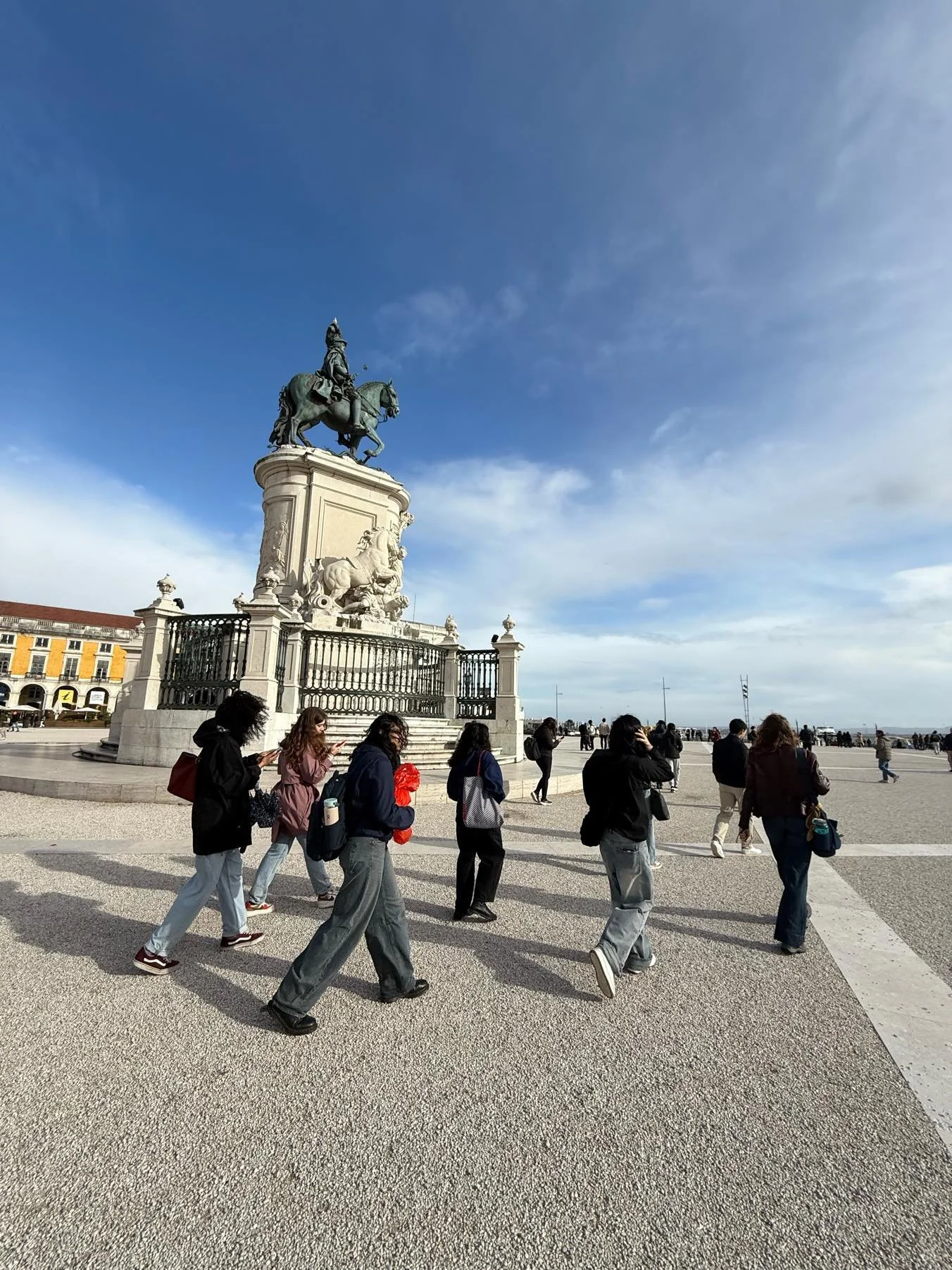
The inaugural Advocacy and Community-Based Training Seminar (ACTS) cohort in Portugal arrived in Lisbon at the end of January. During their first days, students took part in an intensive Portuguese language session and a walking tour of the city to become familiar with Lisbon and its history. The tour included a visit to Livraria Bertrand, widely recognized as the oldest operating bookstore in the world.
Since then, students have begun their coursework, including Migration, Public Health, and Human Rights, the Human Rights Advocacy Seminar, and Research and Writing for Human Rights Advocacy. The cohort has also launched the Human Rights Practice Seminar, which includes weekly renowned guest speakers, including Samuel Moyn, professor of history at Yale University, and Aua Baldé, Chair of the United Nations Working Group on enforced or involuntary disappearances.
We still have a few remaining spots for Fall 2026 and more availability for Spring 2027. Students who are interested in participating in the ACTS can learn more about the program here.
UNHR files an amicus brief challenging sanctions against UN Special Rapporteur Francesca Albanese
Executive Director Jim Cavallaro, Legal and Policy Director Thomas Becker, and scholars from the law schools at Boston University and Cornell University presented an amicus brief on Friday in Massimiliano Cali v. Donald Trump, condemning the Trump administration’s sanctions on Special Rapporteur Francesca Albanese, the UN Special Rapporteur on human rights in the Occupied Palestinian Territory.
In July 2025, the Trump administration imposed sanctions on Albanese for suggesting that Israeli officials, including Prime Minister Benjamin Netanyahu, be investigated by the International Criminal Court (ICC).
In February 2026, Albanese's family filed a lawsuit against the Trump administration to remove the sanctions.
The brief argues that Trump’s actions hinder the work of human rights academics and practitioners and create a severe unconstitutional chilling effect on protected speech. Read the amicus brief here.
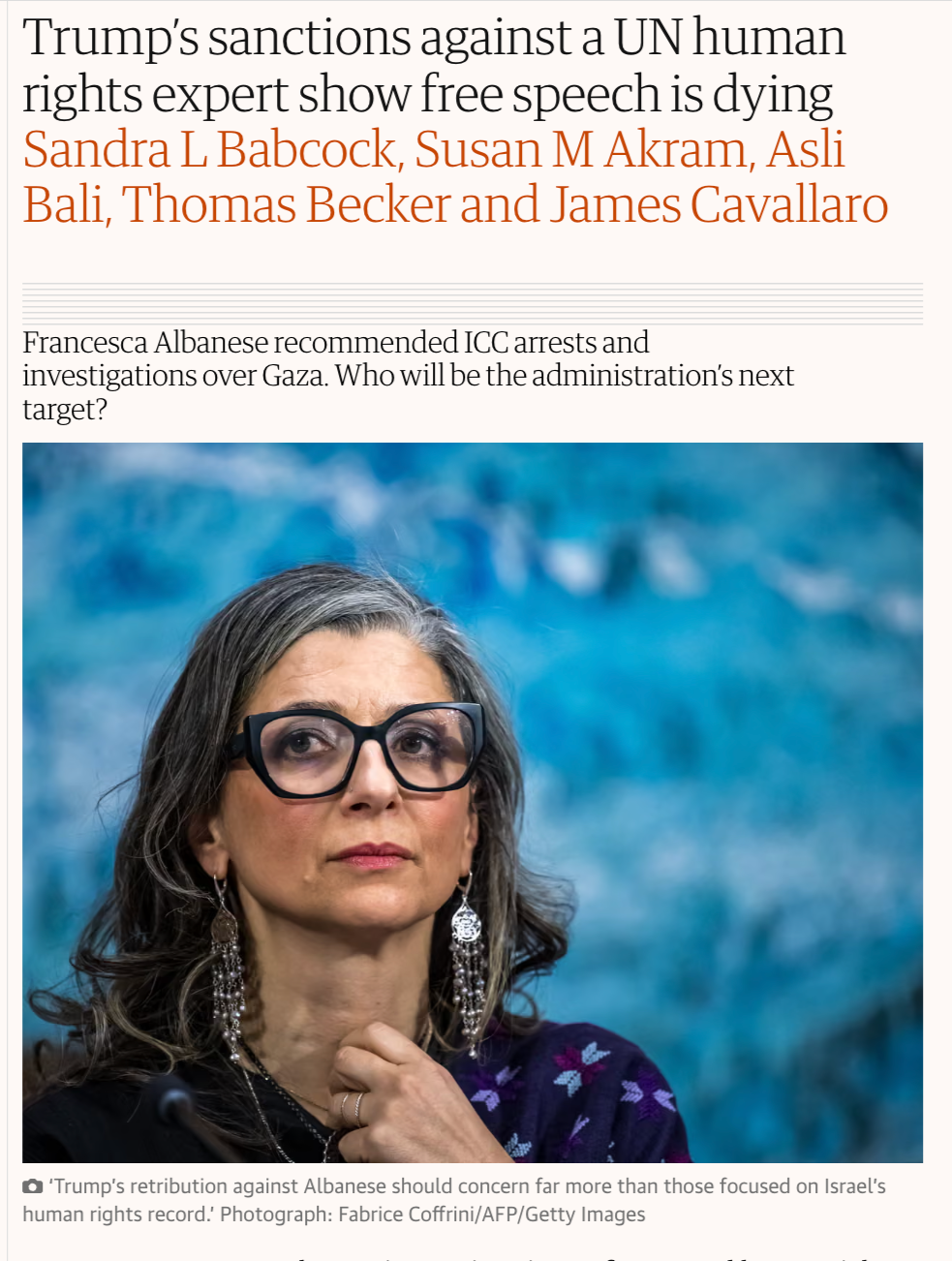
Read our op ed on the issue in The Guardian: “Trump’s sanctions against a UN human rights expert show free speech is dying.”
UNHR supports petition for IACHR visit to assess Indigenous rights in Panama
A public hearing on the “Situation of Indigenous Territories in Panama” was held on 19 November 2025 at the University of Miami, during the 194th session of the Inter-American Commission on Human Rights.
Following the hearing, UNHR, together with local Panamanian and international organizations, formally requested the Inter-American Commission on Human Rights to conduct a visit to Panama to investigate recent human rights violations against Indigenous peoples in Panama. Communities there are facing serious abuses related to land insecurity and the protection of their territorial rights, including in the events surrounding what has become known as “Operation Omega,” or the wave of government repression of protests. In light of the concerns raised during that hearing, the petition proposed the visit include meetings with Indigenous communities to assess the situation firsthand.
UNHR has been working with Indigenous communities and international organizations to document rights abuses in Panama for several years.
International mechanisms engaged on the enduring issue of justice for displaced Artsakh Armenians
Earlier this year, UNHR submitted input to two separate international mechanisms related to the ongoing rights issues related to the forced displacement of more than 120,000 Artsakh Armenians from Nagorno-Karabakh after an Azerbaijani military offensive in the region in September 2023.
Together with Artsakh Union, the University Network sent a report to and met with the UN Working Group on discrimination against women and girls ahead of the group’s March visit to Armenia related to the situation of displaced Artsakh Armenian women now living in Armenia. The report highlighted the persistent socioeconomic and psychosocial issues Artsakh Armenian women uniquely face arising from their displacement from their homes. Read the report to the Working Group here.
The University Network also submitted input to the Nagorno-Karabakh Inquiry, an initiative led by the International Bar Association and parliamentarians in the United Kingdom, on the destruction of Artsakh Armenian cultural heritage in the region. Read the input to the Nagorno-Karabakh Inquiry here.
Jim Cavallaro discusses academic freedom at the European University Institute
In February, our executive director, James (Jim) Cavallaro spoke at Activism and Academia: An Interdisciplinary Dialogue on Academic Freedom and Social Engagement, hosted by the European University Institute in Florence.
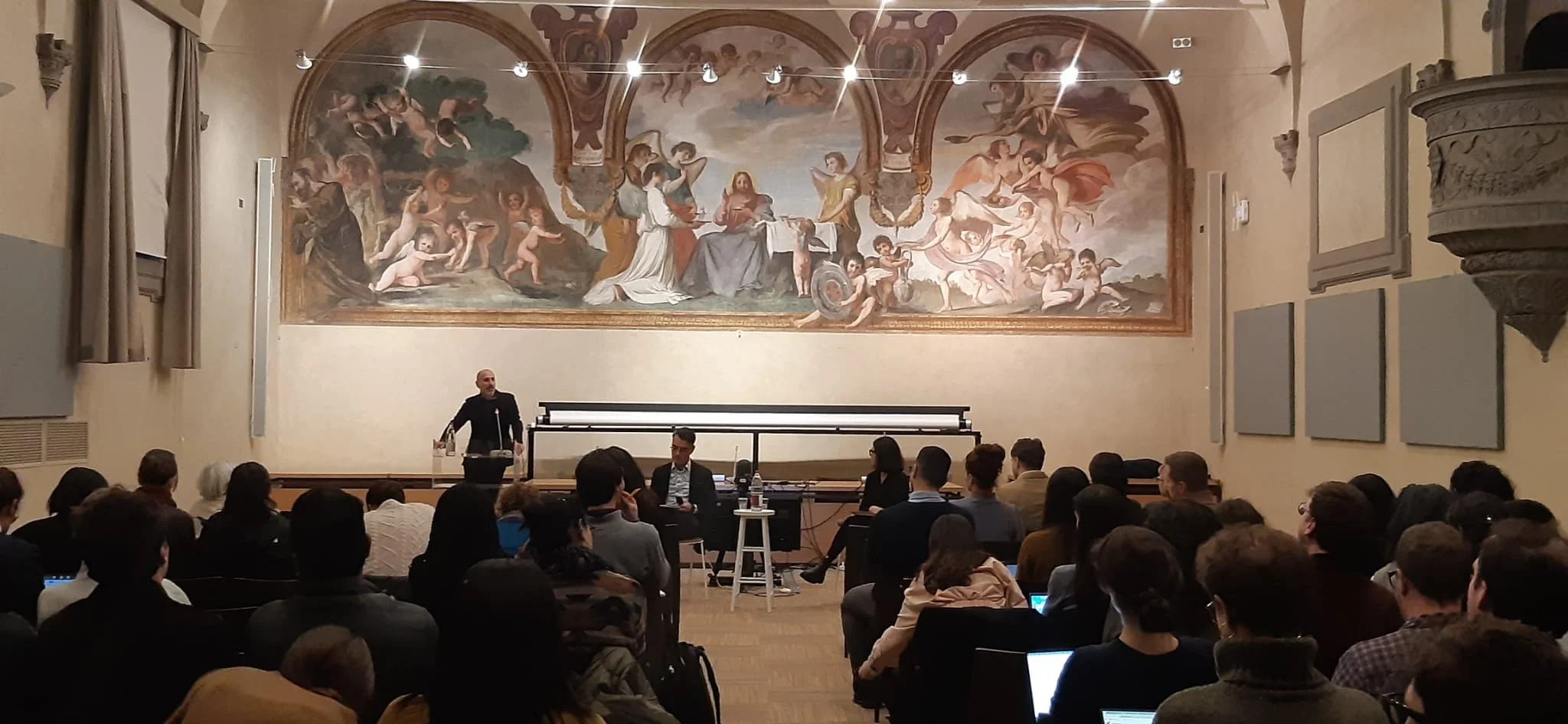
Organised by the Max Weber Programme for Postdoctoral Studies, the lecture explored the role of universities in advancing global justice and peace, with a focus on academic freedom and the responsibilities of scholars in times of political and social pressure.
Learn more about the event here.
New journal article: The Inter-American Commission on Human Rights: Past, Present, and Future
In a recent journal article on the Inter-American Commission on Human Rights 50 years after its establishment, UNHR Executive Director Jim Cavallaro and co-author Flávia Piovesan discuss how the Commission has evolved, what has shaped its impact in the region, and the challenges it continues to face today.
Click here to read the article.
UNHR in the news
O espírito de Sumgait e o silêncio de Baku, por Anahit Harutyunyan, GGN
Institutionalizing sexual violence and torture: the findings of the UN Committee on Torture, Foundation for Middle East Peace
A Casa dos Direitos, GGN
The US continues to detain Nicolás Maduro while legal proceedings proceed in New York, ATB Digital
Ilegalidade, violência e desinformação no ataque dos EUA à Venezuela, Extraclasse