
Advocating for Corporate Accountability and Reparations for Damages Caused by Mining Dam Collapses in Brazil
Last updated July 2026
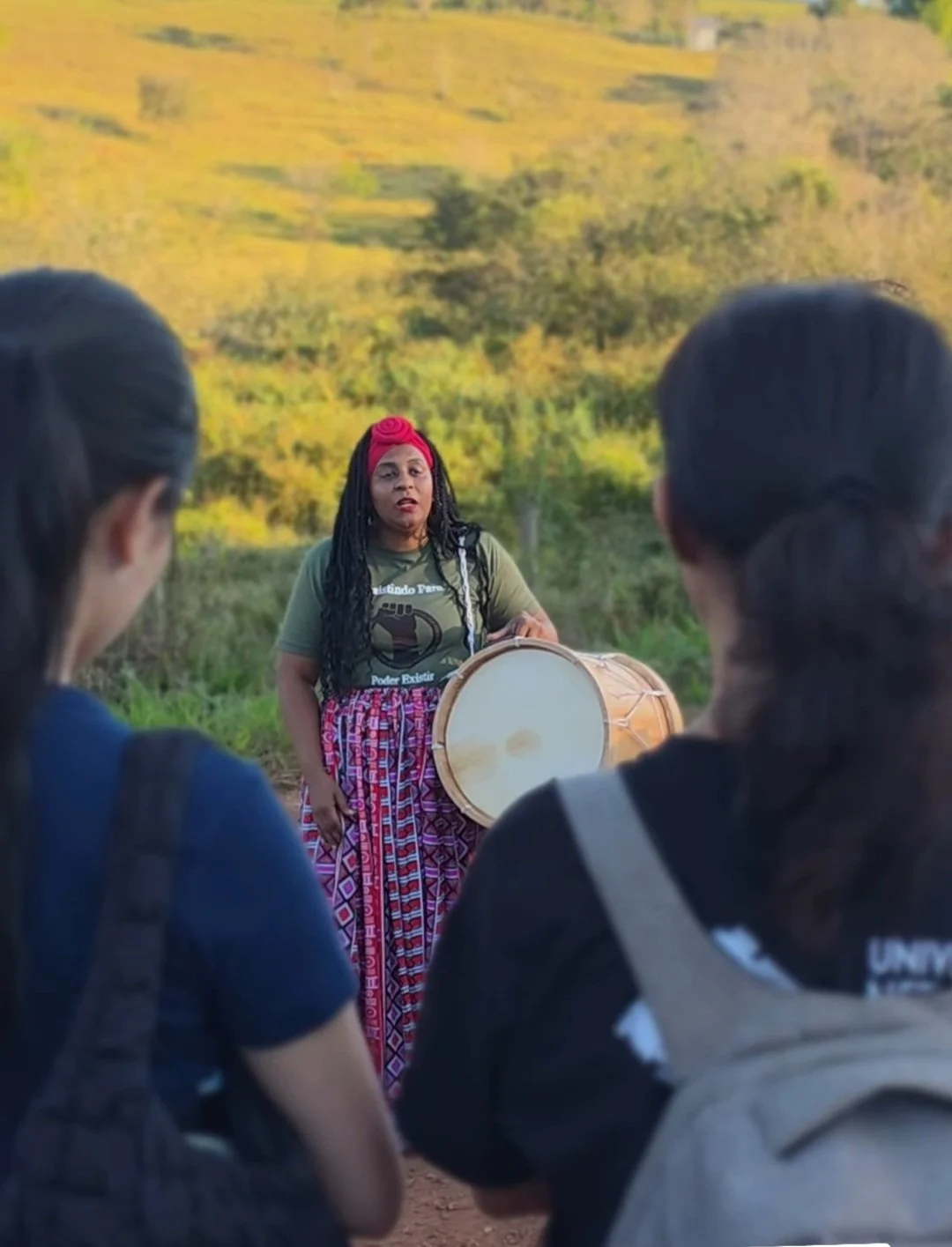
In June 2026, UNHR supervisors and ACTS students traveled to Minas Gerais, Brazil to assess current conditions of victims, communities, and the environment in areas affected by the mining dam collapses in Mariana and Brumadinho.
The 2015 dam disaster in Mariana is regarded as the largest socio-environmental crime in recent Brazilian history spreading sixty million cubic meters of mine tailings in an estimated area of 8,860 square kilometers (5,500 square miles) in the Rio Doce basin and killing nineteen people. Four years later, the dam collapse in Brumadinho killed 272 people. The collapse caused a catastrophic mudflow engulfing scores of victims–and massive destruction. Among the devastated communities were traditional indigenous and quilombola collectives.
Representatives of the victims of both incidents filed legal claims against the main company that owned both mines, Vale S.A, as well as its joint venture with Australian British BHP Billiton Ltda (SAMARCO) and German VOGBR (Water Resources and Geotechnics, responsible for submitting inaccurate and misleading Stability Declaration).
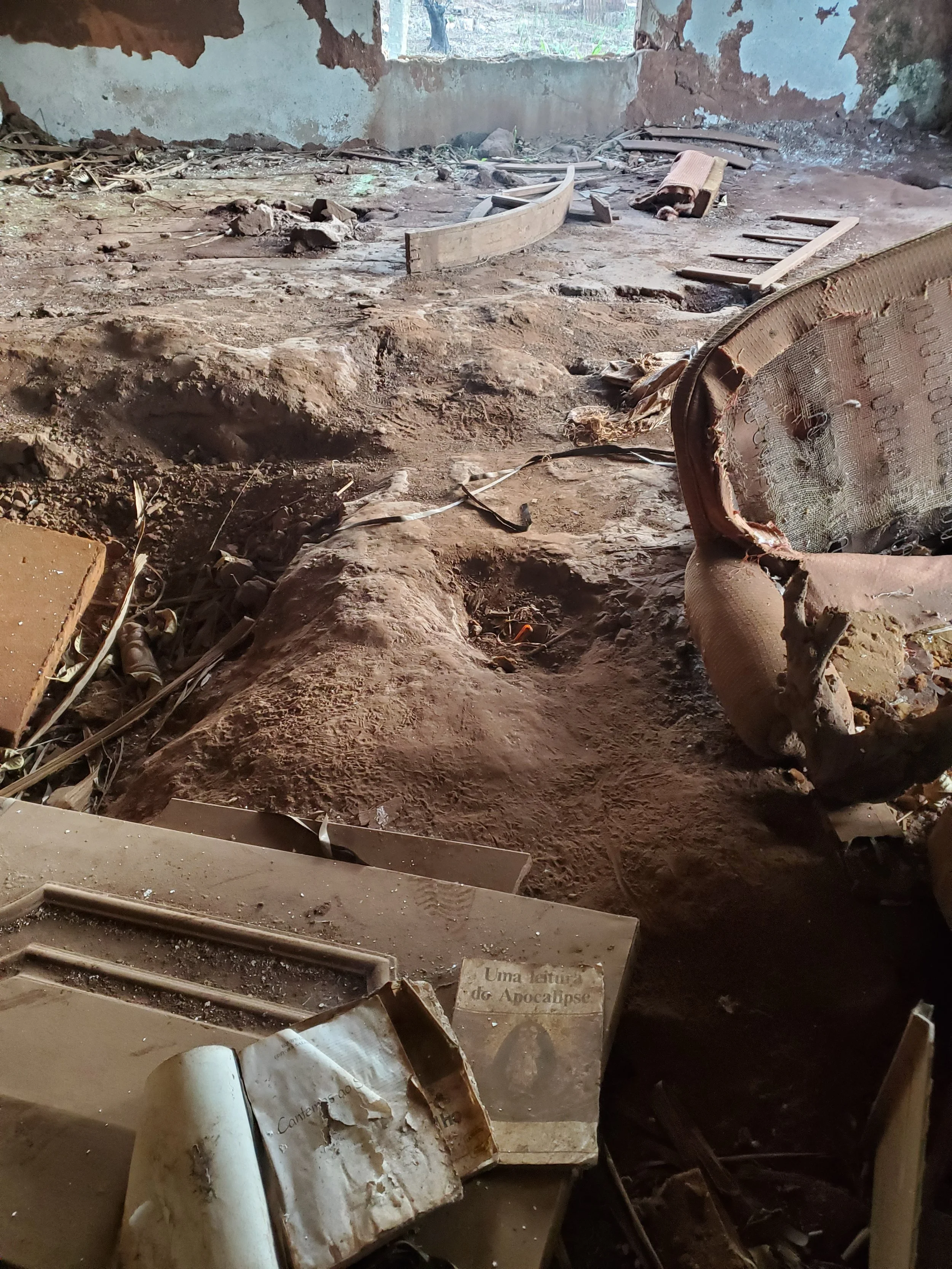
In June 2026, toxic iron-ore mining waste still covers a residential area in the district of Gesteira, Brazil.
Although courts have decided in favor of reparations of victims and communities in a civil case, the agreements have been insufficient to promote the necessary interventions to prevent and repair the damage caused. Some scholars assess these agreements to discriminate against women and traditional communities.
In June, working with Justiça Global, the UNHR team interviewed dozens of experts and community members affected by the dam collapses to evaluate the implementation of reparations and measures to repair the damage caused and prevent future disasters. The UNHR team traveled to Belo Horizonte, Ouro Preto, Mariana, Bento Rodrigues, Quilombo da Gesteira, and Brumadinho. The findings will support efforts to achieve justice and reparations in the cases of Mariana and Brumadinho, as well as for other similar environmental crimes.
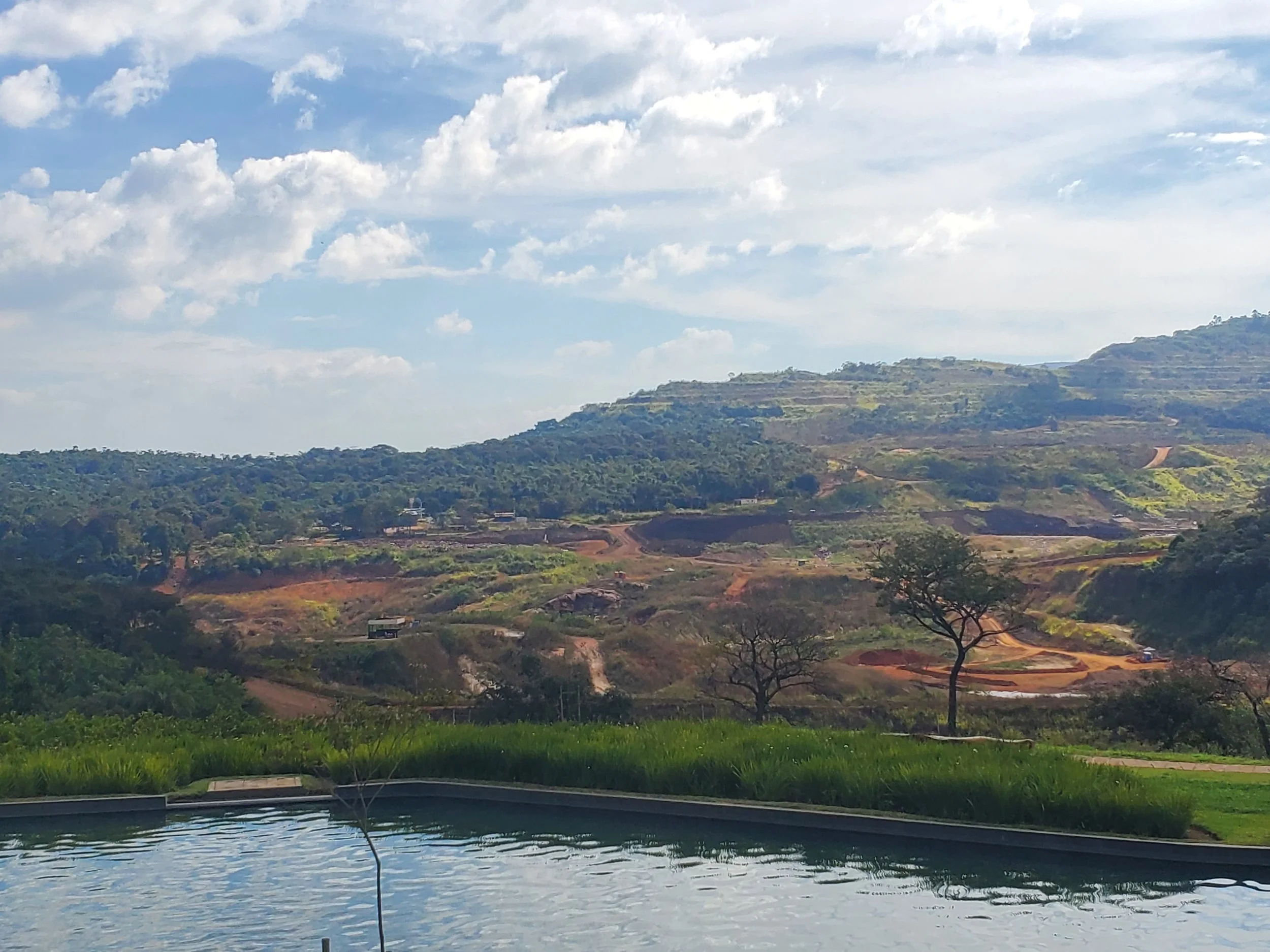
Partial view of the tailings route from the Feijão dam in Brumadinho (June, 2026)